
Finding Fairfax County Residents
Treat a Fairfax resident search as a chain of small checks. It is not one big name match. Start with the address. The county assessment record and parcel map confirm who owns it. A person tied to an estate may surface in probate files or a recorded deed. Voter records follow a separate state process. For earlier households, three sources help. The Virginia Room, the Historic Records Center, and federal census material cover different eras. Each source captures one narrow relationship, whether owner, party, registrant, or old classmate. None of them lists everyone at an address.
Keep a brief note beside each result. Record the source, the record date, the jurisdiction, and the exact spelling of the name. Postal labels in Fairfax cross county, town, and independent-city lines. That makes legal location as important as the surname. A 22030 mailing label alone does not settle the question. County records or City of Fairfax records may be the right place to begin.
- Confirm the parcel and legal jurisdiction in Fairfax iCare when an address is known.
- Use the parcel PIN, owner, or legal description to move into Circuit Court land records.
- For a named person, compare a dated court, license, voter, or business record only when that record fits the question.
- For an older connection, ask the Virginia Room or Historic Records Center for the relevant directory, newspaper, tax, or deed series.
- Request a defined existing record from its custodian when an online index stops short.
Fairfax Records Offices for Residents
Several Fairfax offices hold the records that anchor a resident lookup. The Circuit Court Land Records Division keeps recorded instruments. The Department of Tax Administration maintains assessment information. County Elections handles voter-record and list procedures. These are separate systems, each with its own public fields, fees, and access limits. For a street-by-street parcel route, see the Fairfax street directory; otherwise, match your first question to the office that keeps those records.
Fairfax Circuit Land Records
4110 Chain Bridge Road, Suite 317
Fairfax, VA 22030
703-691-7320, press 3 then 3
Fairfax Department of Tax Administration
County assessment and tax records
Fairfax County, VA
703-222-8234
Fairfax County Elections
Voter-record help and list procedures
Fairfax County, VA
703-222-0776
Fairfax Postal Boundary Check
Fairfax County records govern county parcels, assessment, county elections, and Circuit Court land records. Yet "Fairfax" is not one legal jurisdiction. The City of Fairfax stands independent. Vienna and Herndon keep municipal functions of their own. A Falls Church or Alexandria mailing label may sit on a parcel outside the county entirely, and the Land Records office routes Falls Church property to Arlington Circuit Court and Alexandria property to Alexandria Circuit Court. Settle the parcel jurisdiction first. Ordering a deed or pulling a court file before that step wastes effort.
The county map tools make that first check simple. The Fairfax maps hub links Jade, the Digital Map Viewer, historical imagery, and the Master Address Repository. MAR serves as the address authority. It retains city, ZIP, jurisdiction, subdivision, and address-status fields, which makes it a strong way to reconcile a street spelling or a brand-new number. The Department of Tax Administration still holds final say on parcel data.
Note: Record the county or independent-city result beside every address before comparing names from different Fairfax-area sources.
Fairfax iCare Property Clues
Fairfax iCare is the strongest free option. It works best when a Fairfax County address is already in hand. Choose Address, Map Number, or Map Search to pull a property card. That card may list a PIN, owner, situs address, and mailing address. It may also show sale dates and prices, physical characteristics, assessment values, legal-description context, and map links. Updates land twice weekly. Keep one caution in mind: an owner entry reflects an assessment relationship. It is not proof of current occupancy.
Pair the property address with the PIN. A tax mailing address can belong to a representative, trust, business, or estate. It can also point to an address outside the county. It is useful evidence for a residents directory search. But a second dated record, such as deed or voter rolls material, should back any resident connection.
The iCare address search lays out the number, unit, street, and suffix. It also offers sorting and results controls used for a broad street pass.
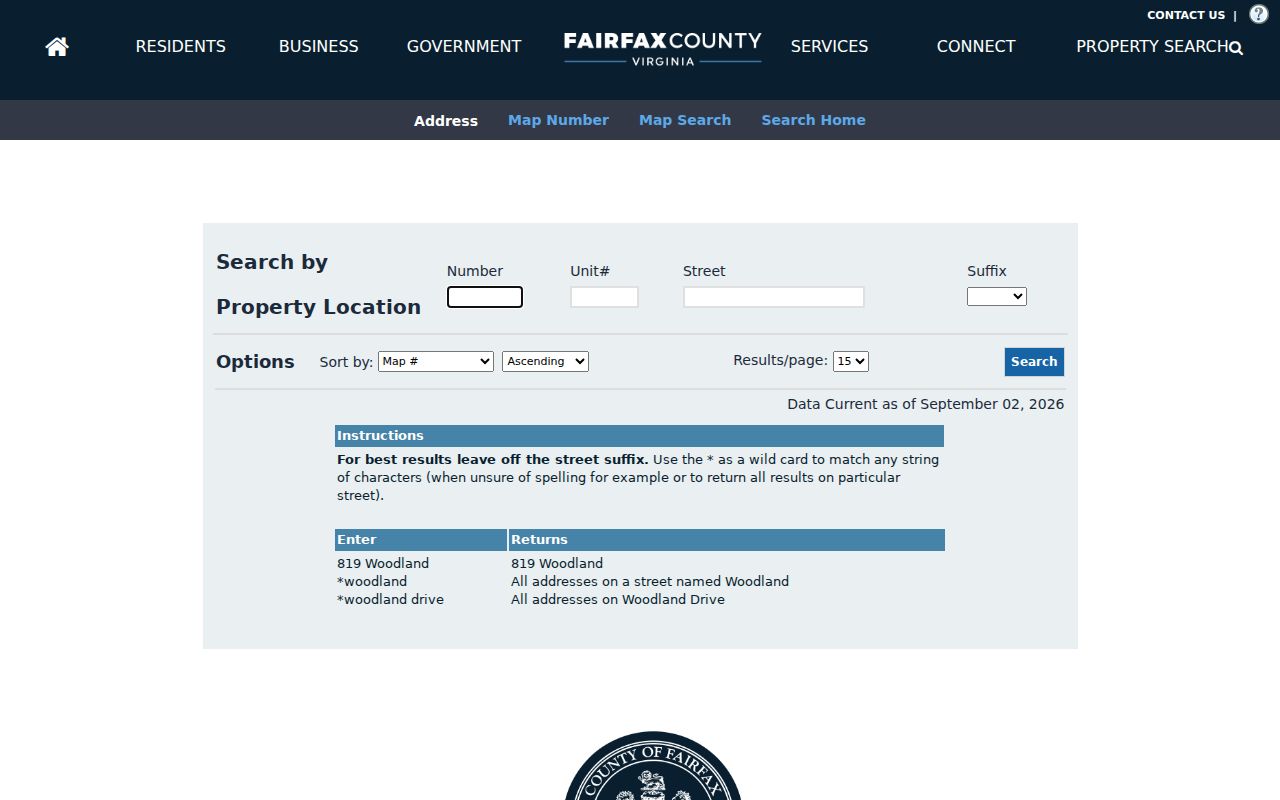
Leave the suffix off to widen a street match. The returned PIN then moves the search from a present parcel to a deed, plat, or earlier owner record.
Fairfax Parcel Search Fields
Search only with what you know. The address form allows a blank number for a street browse. The map-number mode needs a full or partial map number. Asterisk wildcards help when an old road spelling is incomplete. Capture the result count and sort setting in your notes, since a busy Fairfax street can return many parcels at once.
| iCare field | Format | How it helps |
|---|---|---|
| Number | Optional text, up to 5 characters | Targets one street number or stays blank for browsing. |
| Unit# | Optional text, up to 4 characters | Separates a listed unit when the address includes one. |
| Street | Optional text, up to 20 characters | Accepts a broad street fragment and wildcard use. |
| Suffix | Optional selection | Includes forms such as AVE, BLVD, CT, DR, LN, RD, ST, and WAY. |
| Sort and results | Selection controls | Sort by Map #, Owner, Property Address, or Last Sale; choose 15 to 50 results per page. |
A parcel is a defined piece of land. Its situs address is the physical place. Its legal description names the lot, subdivision, plat, or metes-and-bounds language used in land records, and those terms bridge the assessment display and the deed index.
- Parcel
- A defined tract shown in the assessment and mapping systems, usually tied to a map number or PIN.
- Index
- A finding tool that points to a record; it may not include the record image or a certified copy.
- Criss-cross directory
- An older address-oriented directory section that must be checked in the specific volume and year.
Current Fairfax Directory Sources
Fairfax publishes no single roster of all residents. A current residents directory search instead joins several limited record sets. Property and land records identify owners or parties to an instrument. Virginia voter-list rules release specific public fields through the authorized list process, while the Citizen Portal exists for a person's own record and related election functions. Court and license records can connect a name to an event or professional standing. None of them proves a present address on its own.
| Fairfax source | Connection recorded | Custodian | Access route |
|---|---|---|---|
| Assessment parcel | Owner, situs and mailing address, sales | Department of Tax Administration | Free iCare address/map search |
| Recorded land instrument | Grantor, grantee, date, legal parcel | Circuit Land Records | CPAN, terminals, office, or HRC |
| Voter-list product | Statutorily available registration fields | Virginia Elections | Authorized request process |
| Circuit case index | Party, case date, status, docket events | Fairfax Circuit Court | Free eCaseSearch; records separately |
| Community collections | Former local association or school connection | Virginia Room and archives | Catalog, staff, microform, or finding aid |
Match each fact to the office that actually keeps it. A Fairfax residents directory question involving a common name stays safer when court, parcel, and historical evidence are held apart until two independent attributes agree.
| Official Fairfax or Virginia record | Compiled directory product |
|---|---|
| Names the custodian, record date, coverage, and access rule. | May combine old filings and other data with unclear timing or provenance. |
| Can be checked against the original office, terminal, archive, or request procedure. | Can merge similar names or retain an older address after circumstances change. |
| Shows only the fields its law and program permit. | Cannot fill a protected or restricted government record. |
Fairfax Voter Record Boundaries
Virginia Code §24.2-444 sets the fields and product terms for the public voter list. What you can get is limited. A record may carry a name, a residence or mailing address under protected-address rules, a birth year rather than a full date, gender, registration status, precinct, and election-district data. Social Security numbers stay out. Full birth dates and ballot choices stay out too. The online Citizen Portal is identity-protected. It handles voter record, polling place, district, absentee-status, and voting-history functions for the voter, not an anonymous public people search.
For a Fairfax address range, the county's 2015 street file works as a historical district crosswalk. It is a table, not a roster. Street and range data sit beside ZIP, precinct, and legislative district columns, with no personal names attached. It can show which precinct covered a range then.
Record limit. A lawful voter-record match is evidence of registration, not a complete household list or a reason to infer a protected address.
Fairfax Court and License Clues
The free Fairfax Circuit eCaseSearch covers civil and criminal index entries back to October 18, 2004. Search rules are strict. You must pick a Civil or Criminal case type. A Party Name or Case Number choice comes next. Party-name searching takes at least the first two letters of a surname, and a case number must match the displayed format. Results cap at 100. Documents are not included. Sealed cases, juvenile matters, and adoption material stay out too. Once a case number is in hand, a file review or copy request is the next step.
Entity records can add a dated affiliation. The Virginia SCC entity search may show an entity office, registered agent, or credential detail. None of that proves a Fairfax residence. The caution matters most with common names, where a street, a date, and a middle initial can separate two otherwise similar records.
A filed entity can anchor a timeline. Still, a parcel, voter record, or historical directory needs its own independent check before it counts in a Fairfax residents directory.
Fairfax Yearbooks and Newspaper Indexes
Fairfax County Public Library holds deep yearbook assets. The digitized set includes more than 300 FCPS yearbooks from 36 schools, and the FCPL yearbook project documents the collection and its digitized access route. Nearly 500 physical yearbooks and more than 13,400 photographs round out the Virginia Room archive.
A classmate or family-history search starts with the school and the likely year, then compares spelling and date against a directory, obituary, land record, or other independent source. Newspaper indexes add another thread. The Fairfax Herald Index spans 1886 through 1936. It separately indexes births, marriages, obituaries, and places. The Fairfax County Independent offers another local newspaper lead from April 1929 to December 1932. Both are index paths. They do not promise that every relevant article is digitized, or that an obituary states a legal address.
Fairfax Offline Records Routes
Some periods sit beyond any web index. Fairfax answers with concrete offline routes. Circuit land-record research spans 1742 to the present, with deed books before 1945 strongest at the Historic Records Center. The public research room welcomes walk-ins Monday through Friday, 8 a.m. to 4:30 p.m. CPAN runs on paid subscriber terms. The Virginia Room keeps a designated CPAN station, which is an access lead rather than a waiver of terms or account charges.
Copies follow a simple recipe. Give the clerk the instrument or deed-book and page information, a written request, payment, and a self-addressed stamped envelope for mail. The clerk fee runs $2 per document plus $0.50 per page. Mail requests take about two weeks. County administrative records travel a different path. The Fairfax County FOIA route should go to the office that actually holds the record. Virginia FOIA covers existing records only. It never requires a new all-residents list, and the Circuit Court research page lays out the 1742-present land-record scope and the Historic Records Center route.
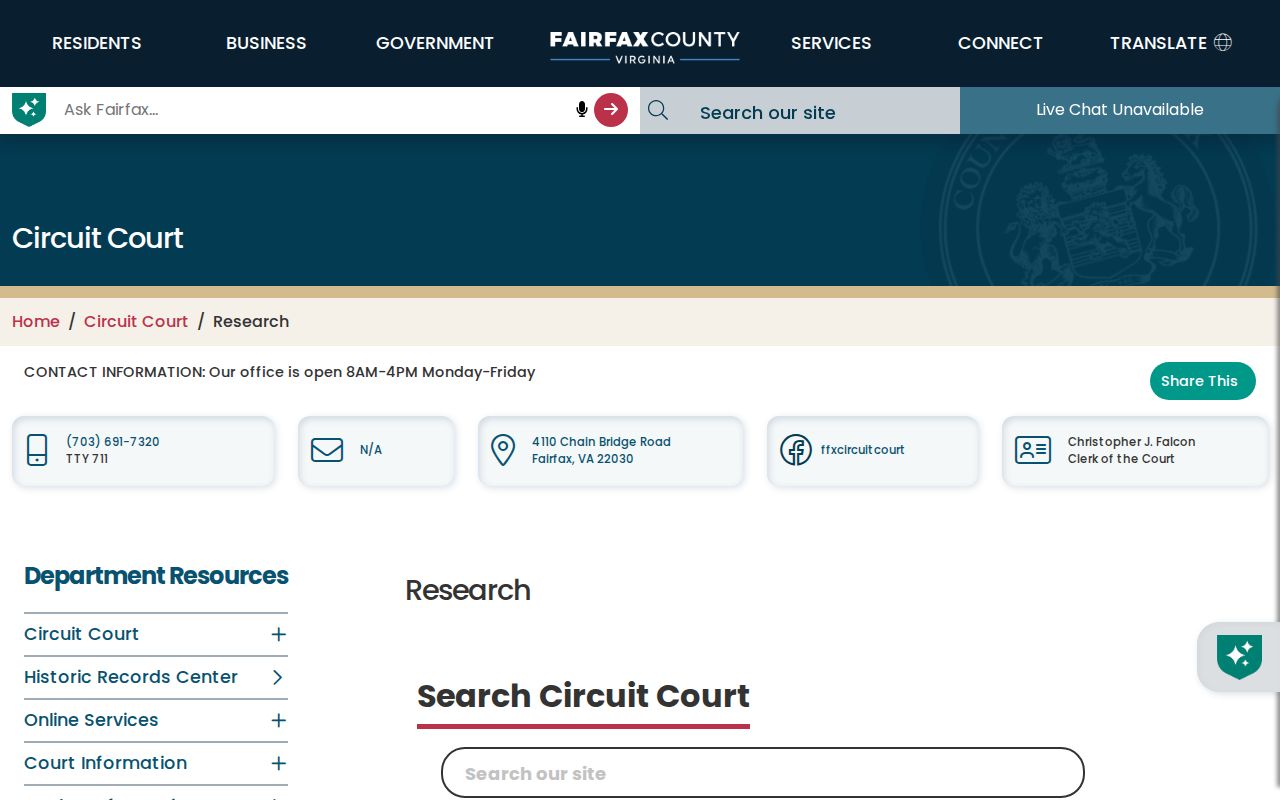
Web results often break at an older deed book, index, or court series. The historical-room route exists precisely for those gaps in Fairfax land and court records.
Fairfax Address Privacy Limits
Not every name appears at a current address. Virginia's Address Confidentiality Program gives qualifying participants a substitute mailing address. Voter law shields certain addresses. Courts can seal matters. Adoption records follow a separate statutory path. The Driver's Privacy Protection Act restricts DMV data. So a missing result may just mean a spelling variation, a date mismatch, the wrong jurisdiction, or one of those legal limits.
Virginia's Consumer Data Protection Act grants rights over covered business data, though it cannot erase a county deed, court docket, or other record the law requires. Take corrections to the office that holds the record. Public information must never be used to stalk, harass, intimidate, or harm another person. The Fairfax maps hub links the address tools that can separate a new, expired, or changed address entry.
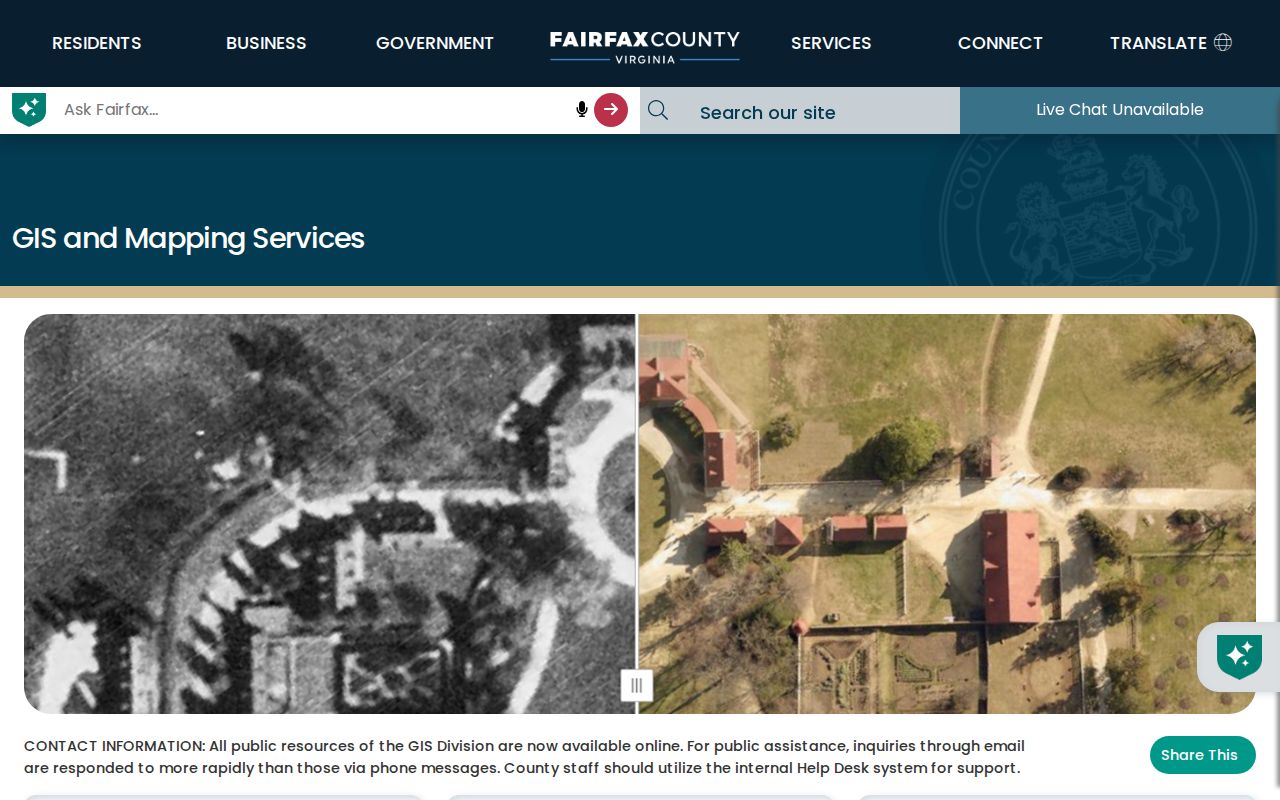
MAR carries effective, status, change, and expiration attributes. Those fields can explain a short-term Fairfax address mismatch without turning it into a claim about a person.
Fairfax Record Scam Check
Scammers love records. A deed-copy offer in the mail, a caller claiming court urgency, or a look-alike records portal can all be checked against the real custodian. Fairfax Circuit Court publishes its own land-record copy path and fees. Real court pages never demand unverified payment to a caller. When a property or records charge makes no sense, start from Fairfaxcounty.gov. Or use an official Virginia agency link rather than a search advertisement.
For custody questions, the Virginia Department of Corrections runs a statewide locator. It covers incarceration and supervision. The Fairfax Adult Detention Center publishes no online roster. A missing web result proves nothing about whether someone was held there. Treat the Virginia DOC locator as the official search route, with the state's own status notices attached.
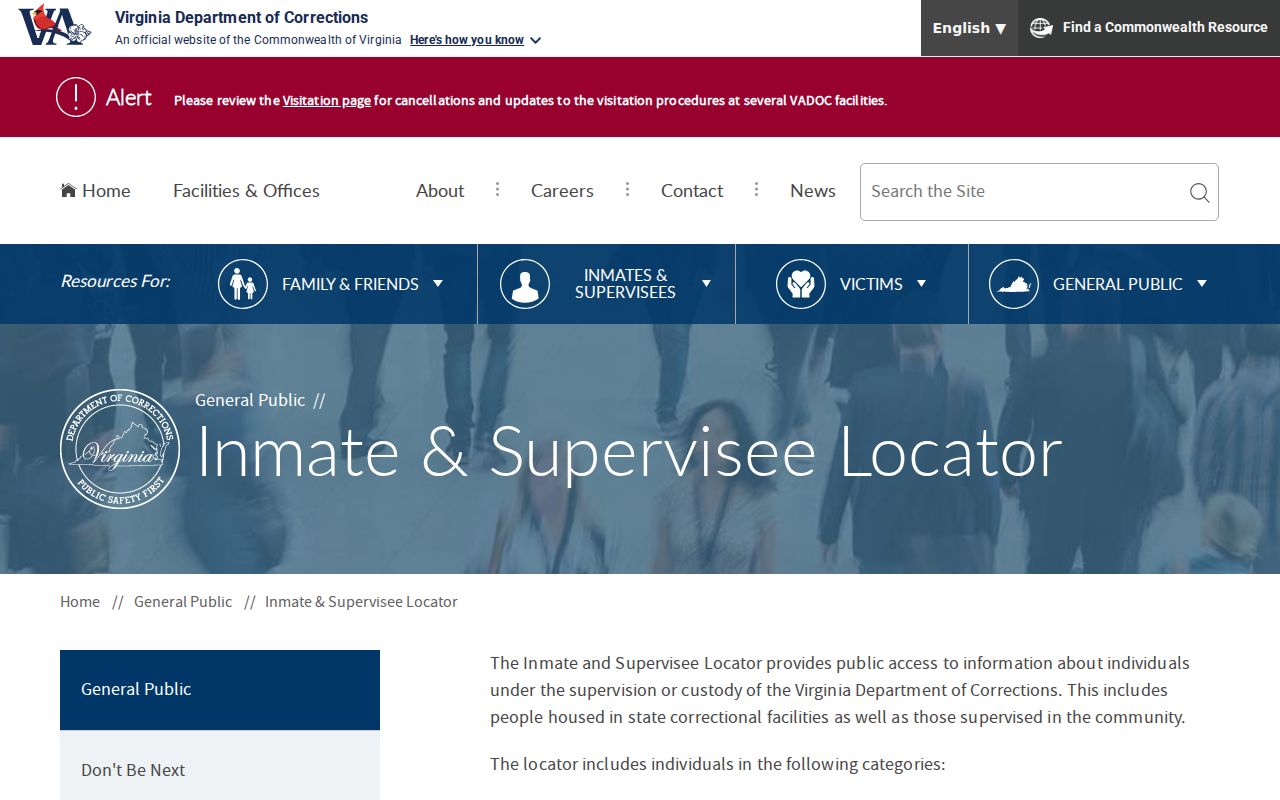
Use any result only for the limited custody or supervision details the state displays. Save the retrieval date with whatever you record.
Historical Fairfax Directory Trails
Digging for past residents of Fairfax eventually leaves modern portals behind. The trail runs through the Virginia Room, the Historic Records Center, Library of Virginia microfilm, and federal census schedules. Virginia Room catalog records list community phonebooks for 1993, 1996, and 1997. That catalog alone does not prove a full local directory run. It does not prove a complete reverse section either. Before trusting an older entry, ask staff for the publisher, volume, and page. Also ask whether an address section exists.
The strongest trail pairs a city directory or phonebook with a deed, obituary, probate file, or census record. The full shelf-by-shelf process appears in the Fairfax city directory collections. A street directory entry shows a name and address as of its publication date. It settles neither legal ownership nor every person tied to that home.